This is a title
RCC (Reinforced Cement Concrete)-
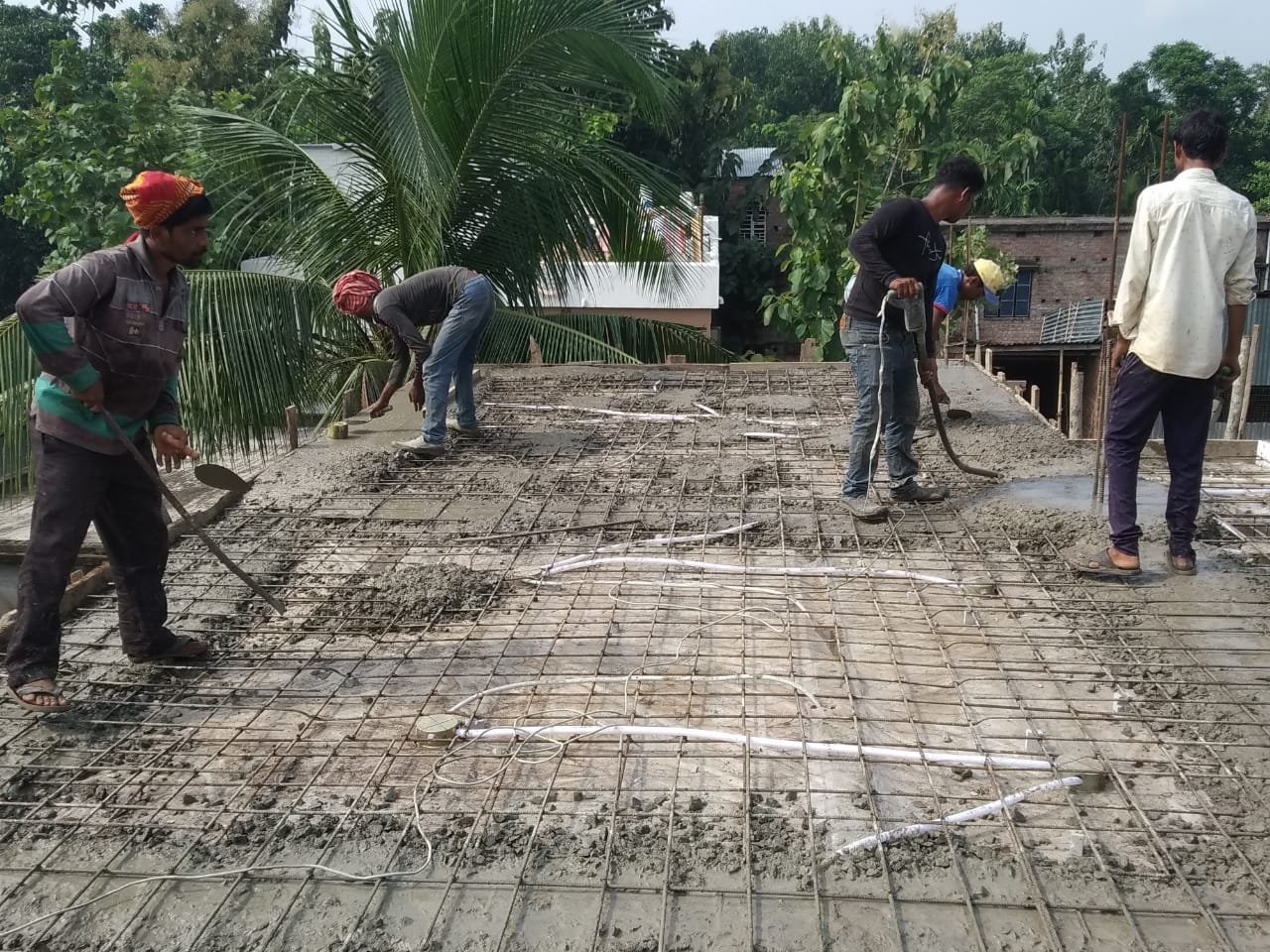
RCC (Reinforced Cement Concrete) Design is the process of designing concrete structural members with steel reinforcement so they safely resist loads while meeting strength, serviceability, and durability requirements. In India, RCC design is primarily carried out according to IS 456:2000, using the Limit State Method (LSM) for new designs.
Main RCC Structural Members
Slabs ,Beams, Columns, Footings (Foundations), Staircases, Retaining Walls
Basic RCC Design Procedure
Determine dead, live, wind, and earthquake loads.Analyze the structure to obtain bending moments, shear forces, and axial loads.Design each structural member.Check serviceability (deflection and crack width).Detail the reinforcement and prepare Bar Bending Schedule (BBS).
Common Design Codes (India)
IS 456:2000 – Plain and Reinforced Concrete
IS 875 – Design Loads
IS 1893 – Earthquake Resistant Design
IS 13920 – Ductile Detailing
IS 1786 – High Strength Reinforcing Steel
Typical Material GradesConcrete: M20, M25, M30, M35
Steel:
Fe415, Fe500, Fe500D, Fe550, Fe600Since you’ve mentioned before that you work with house plans and AutoCAD, I can also help you with practical residential RCC design, including:RCC beam designRCC column designRCC slab design
Concrete Design-
Concrete design is the process of determining the proportions, strength, and reinforcement required so that a concrete structural element is safe, durable, and economical. It is typically carried out according to a design standard such as IS 456:2000 (India).
The main aspects of concrete design include:
Material SelectionCementFine aggregate (sand)Coarse aggregateWaterAdmixtures (if required)
Concrete Mix DesignTarget concrete grade (e.g., M20, M25, M30, M40)Water-cement ratioWorkability (slump)Durability requirements
Structural DesignDesign of beamsDesign of slabsDesign of columnsDesign of footingsDesign of staircasesShear, bending, and deflection checks
Reinforcement DesignMain reinforcementDistribution reinforcementDevelopment lengthAnchorageCover to reinforcement
Serviceability ChecksDeflection limitsCrack width controlDurability requirements
Common Concrete GradesGradeCharacteristic Strength (28 Days)M1010 MPaM1515 MPaM2020 MPa
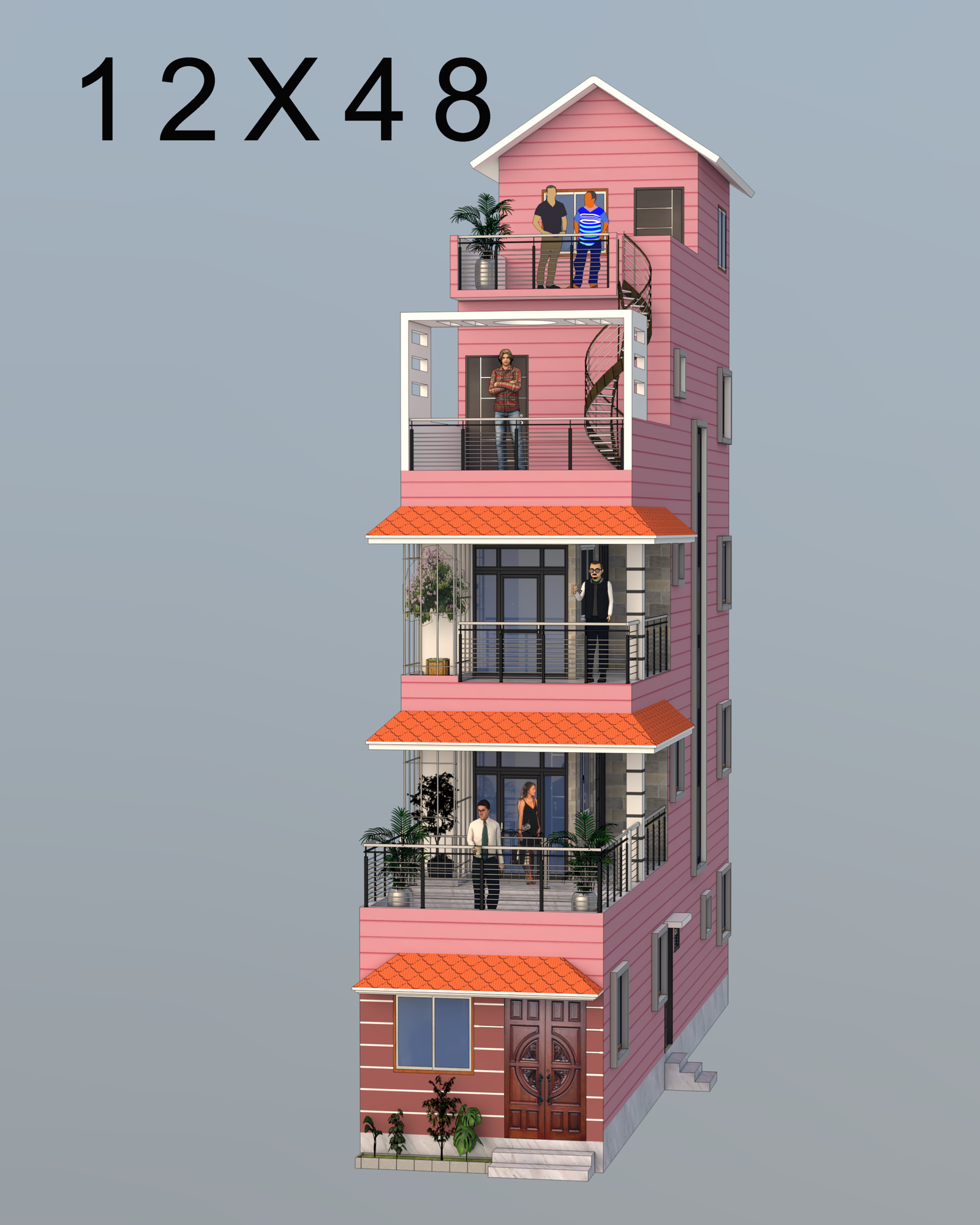
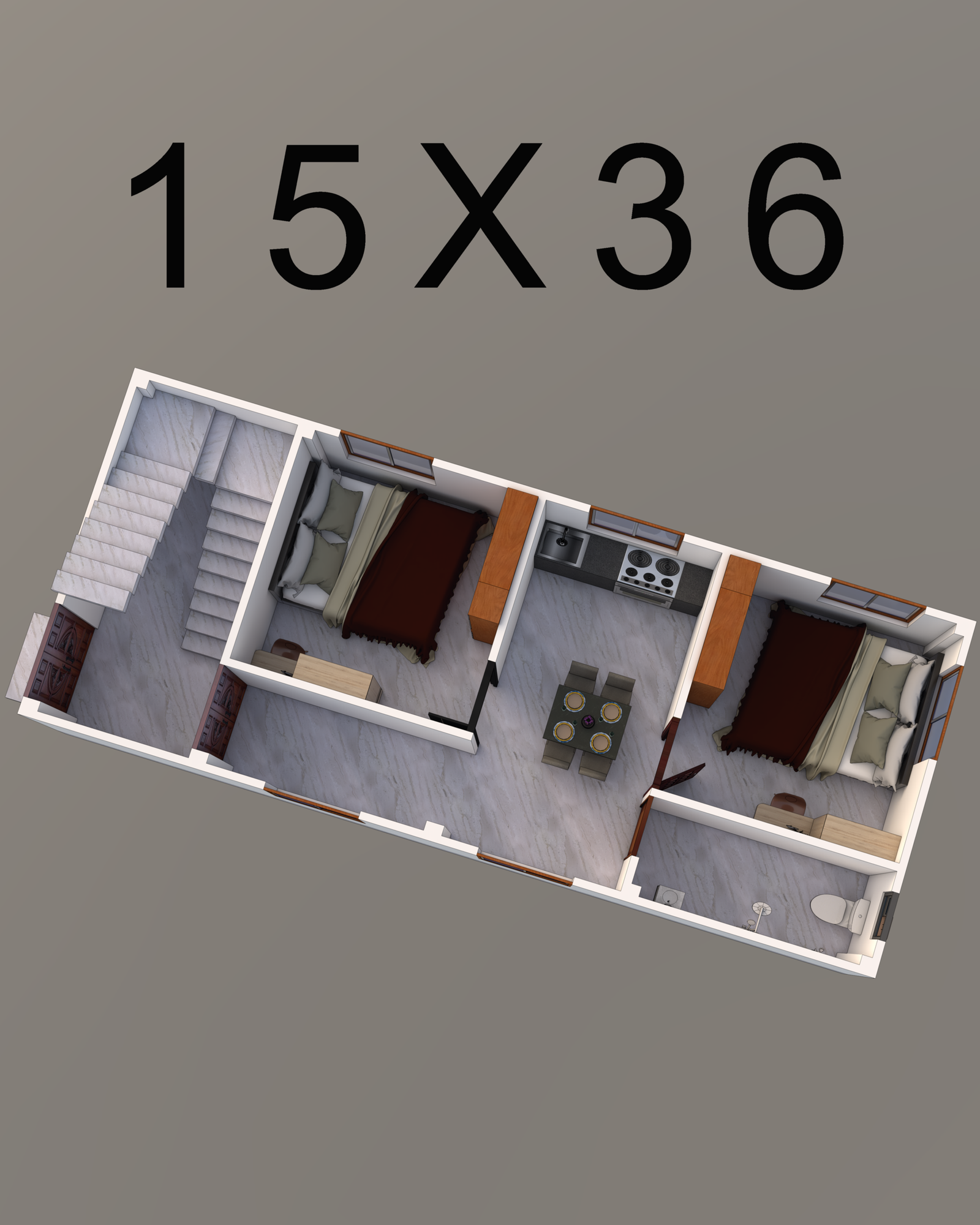
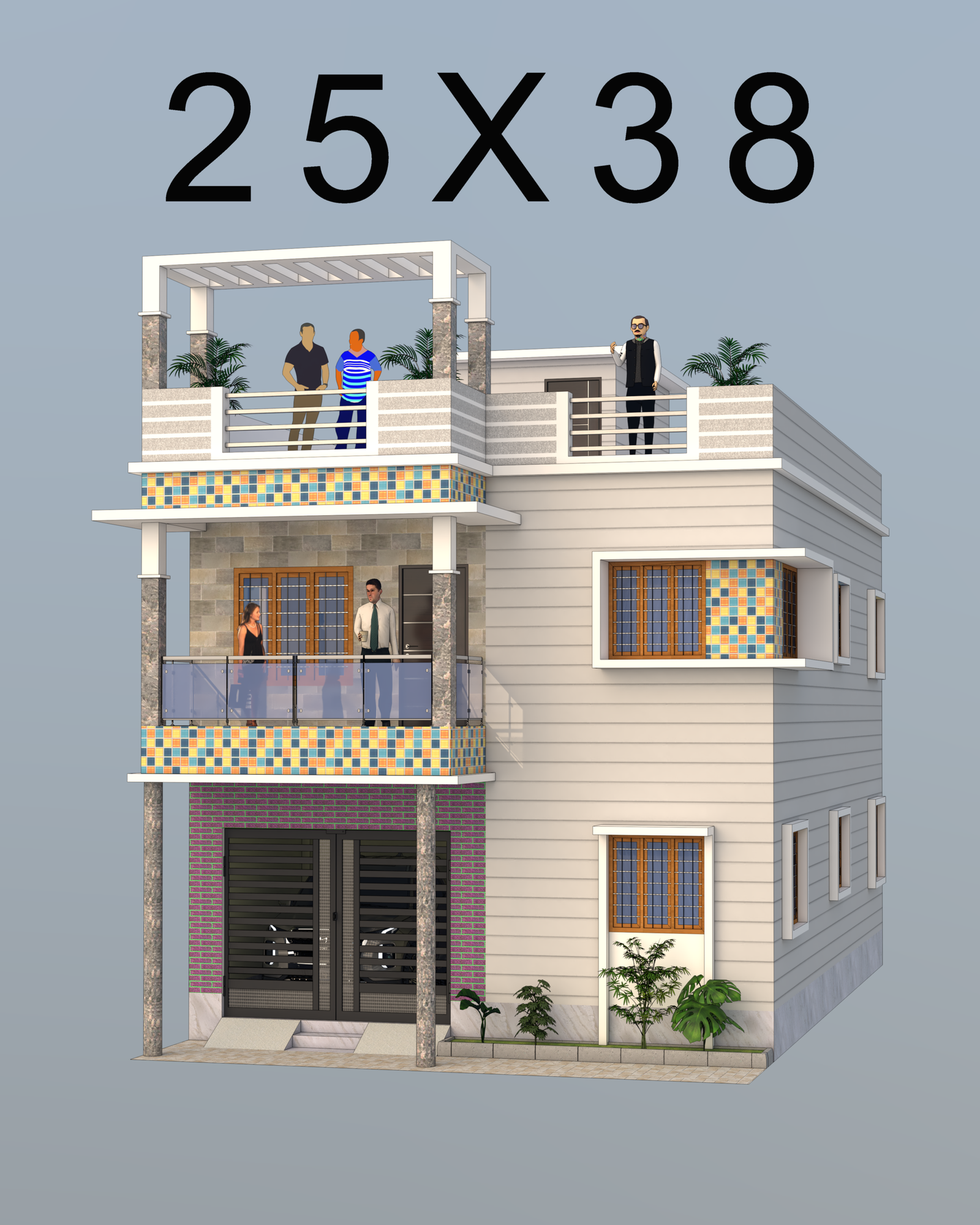
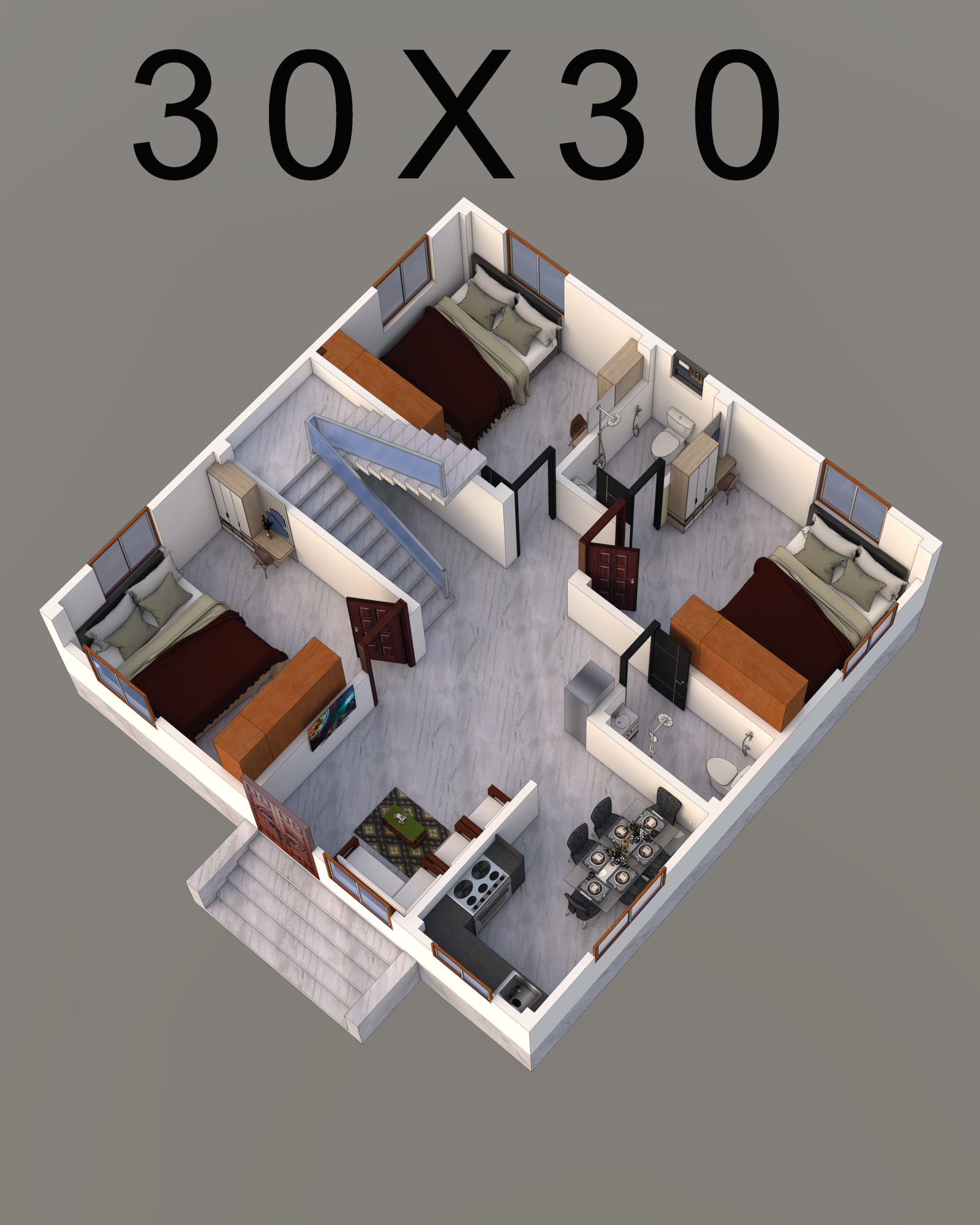
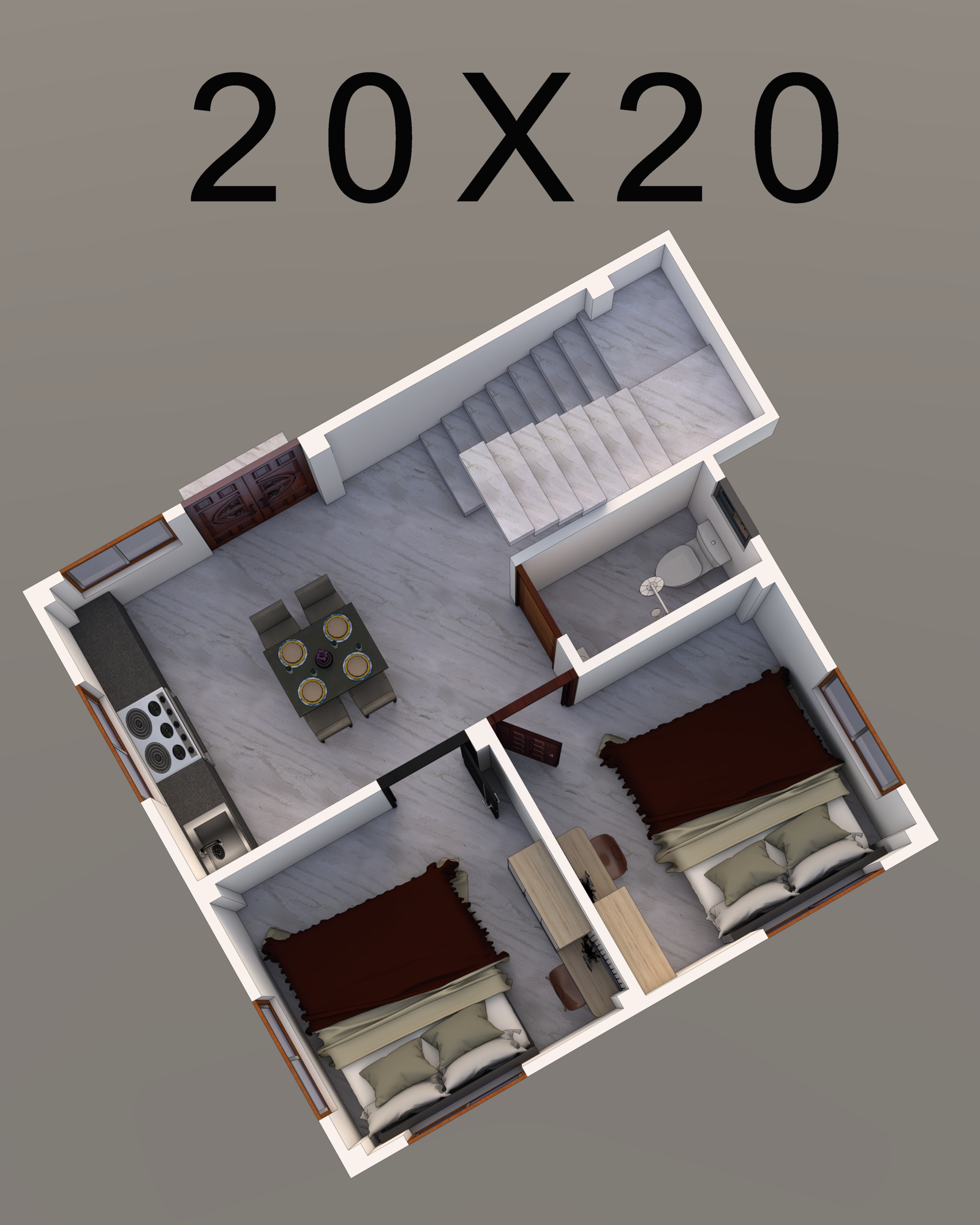
A house plan is a detailed drawing or layout that shows how a house will be built and arranged. It helps builders, engineers, architects, and homeowners understand the size, rooms, structure, and design of the house before construction starts.
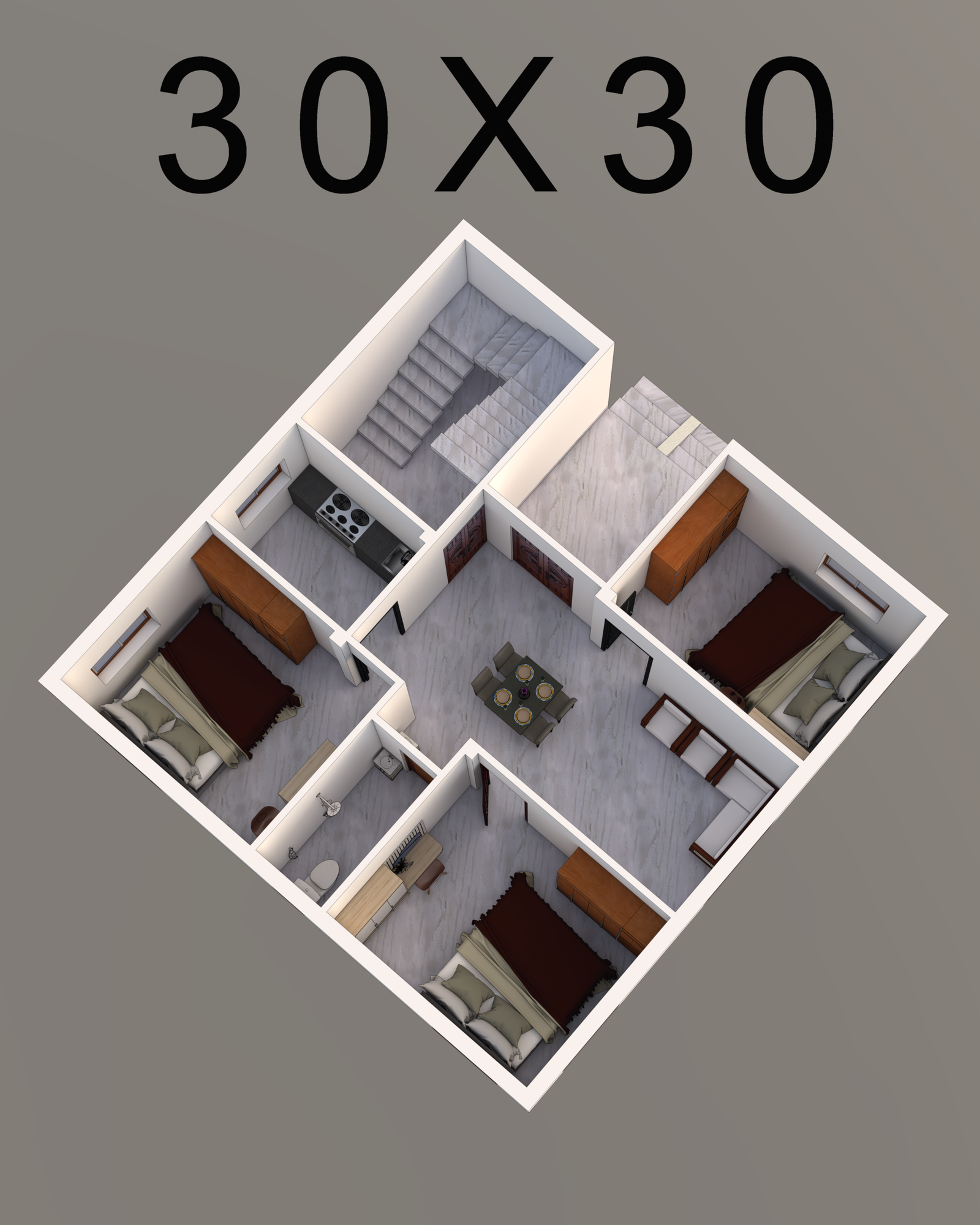
Bed Room Plan Idea:Bedroom 1 (Master Bedroom)i) Size: 12 ft × 14 ftii) Double bed (6 ft × 7 ft)iii) Wardrobe: 2 ft deep along one walliv) Window for ventilationv) Optional attached toilet (if space permits)Bedroom 2i) Size: 11 ft × 13 ftii) Double or single bediii) Small wardrobeiv) Study table cornerv) Window for natural lightBedroom 1 (Master Bedroom) i) Size: 14 ft × 16 ftii) Keep minimum 2.5–3 ft walking space around the bed.iii) Place wardrobes on interior walls.iv) Use large windows for cross ventilation.V) Optional attached toiletvi) For Vastu, place the master bedroom in the southwest corner.Top of FormBottom of Form
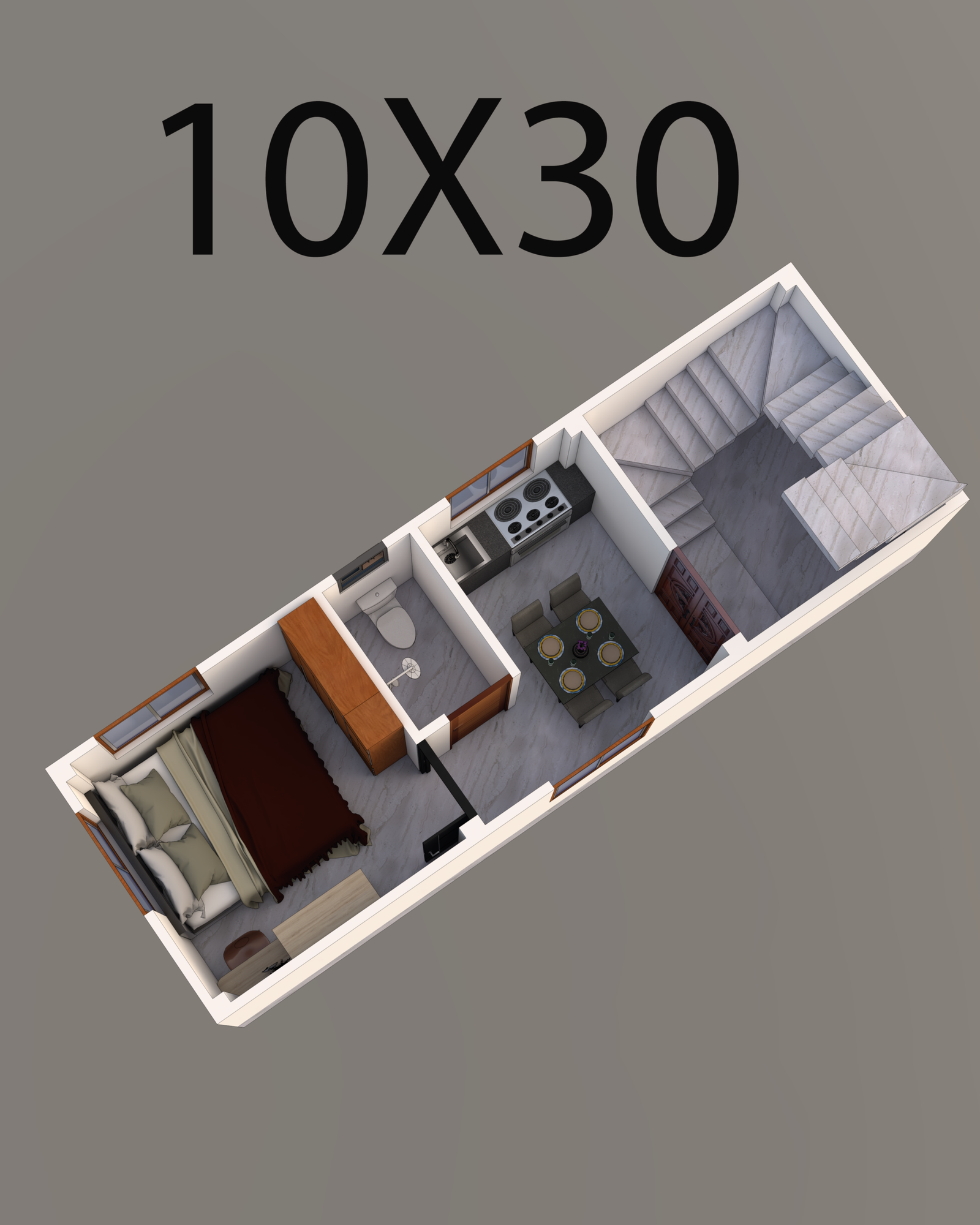
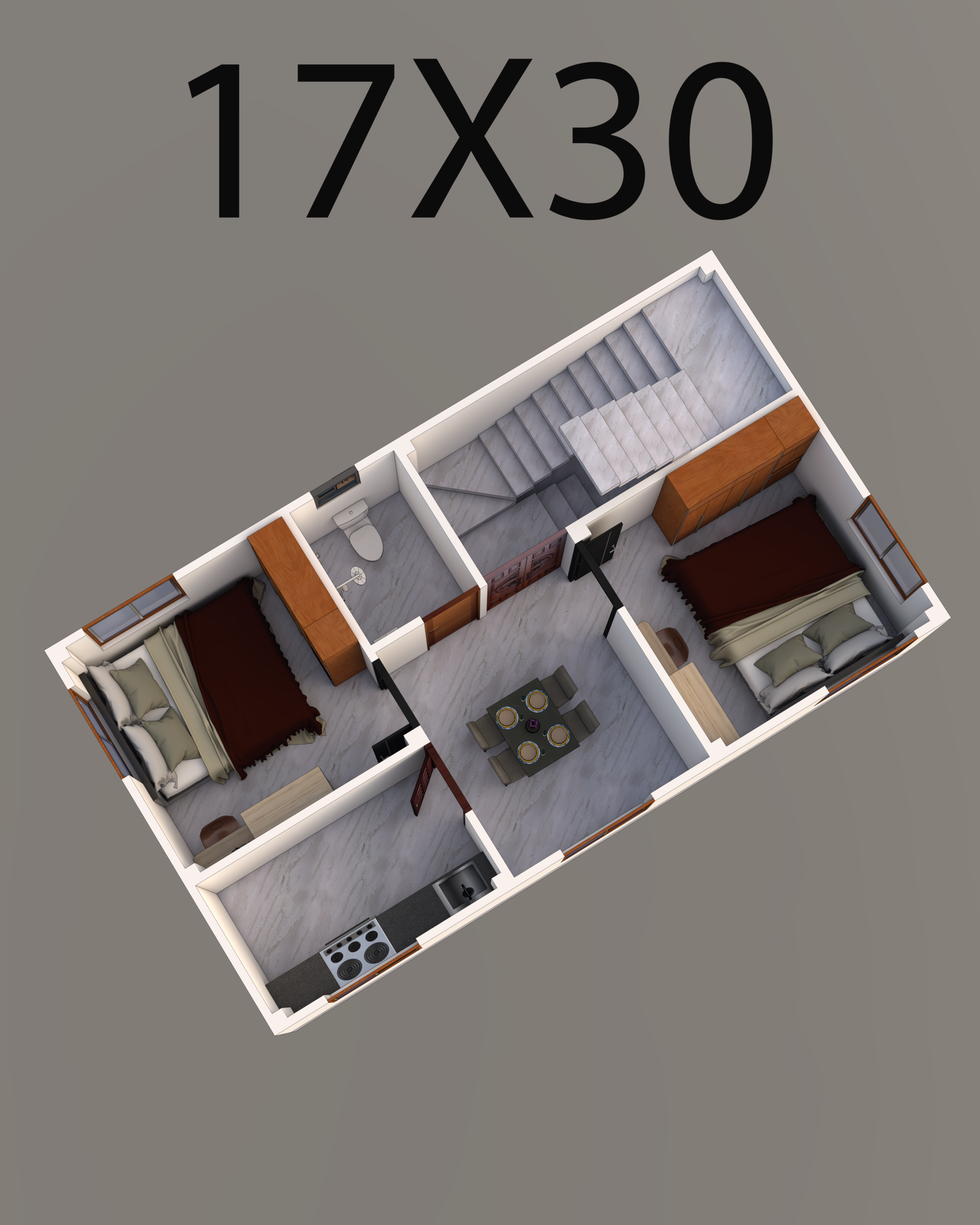
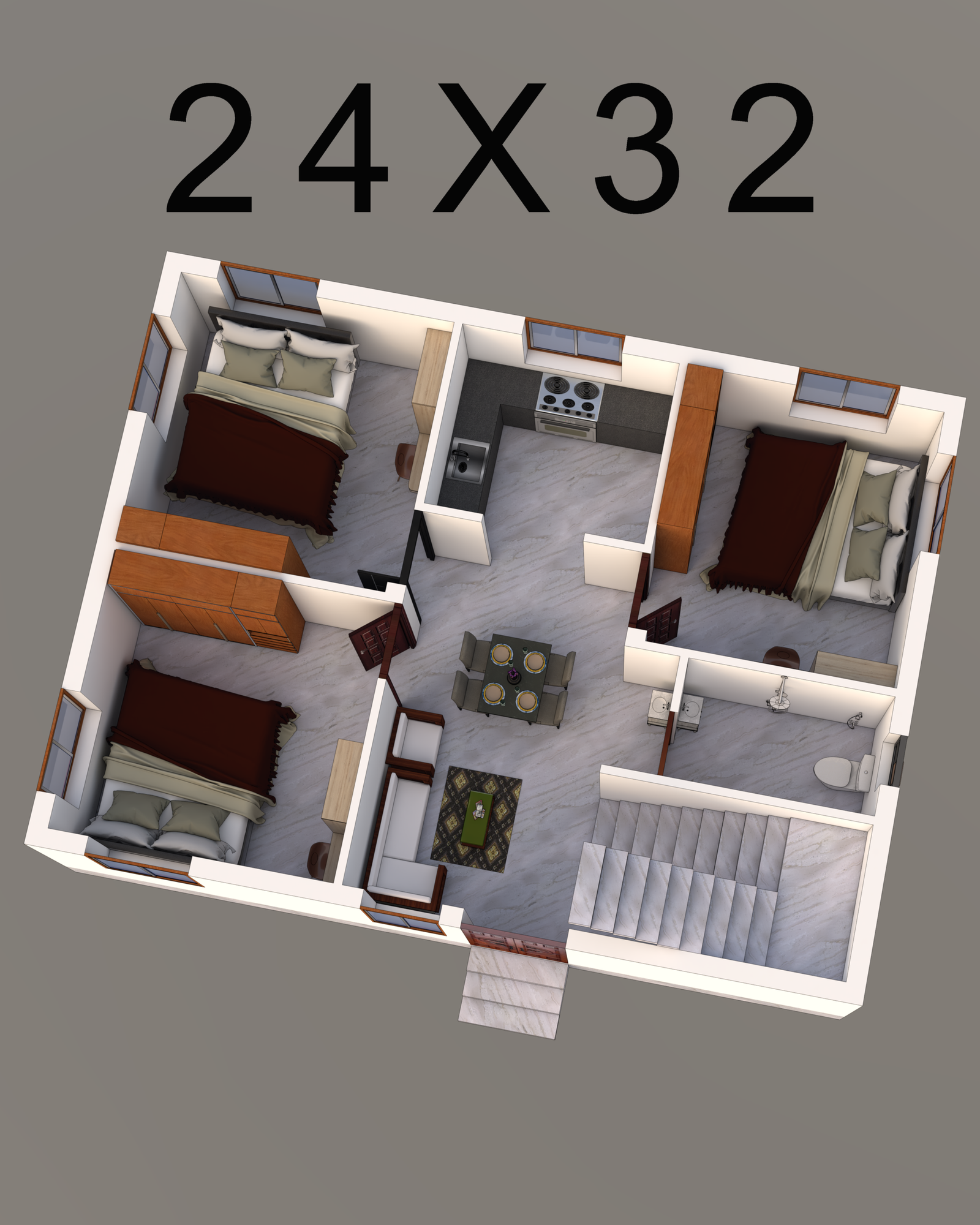
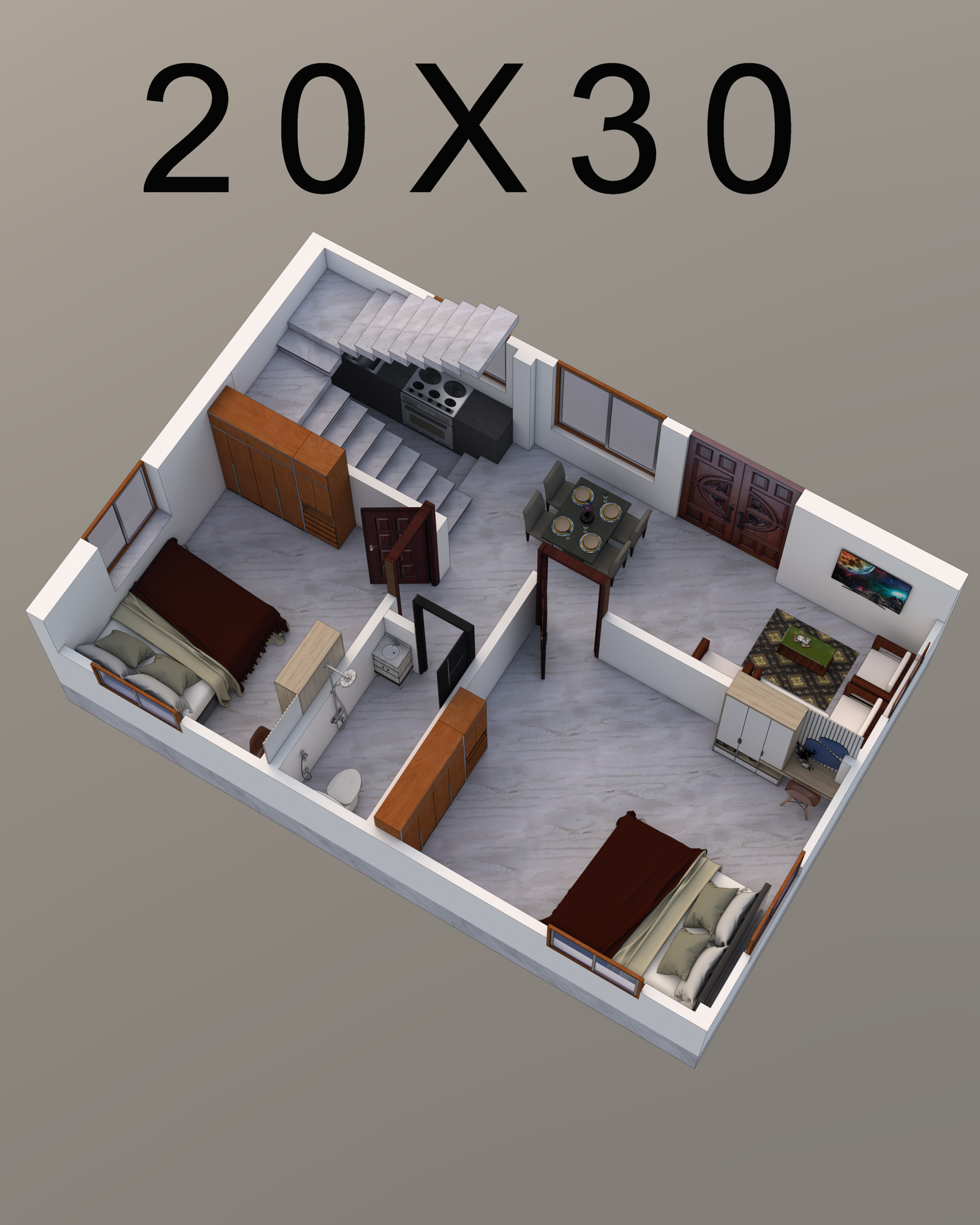
Two-Floor (G+1) House, The Typical Distance Between Two Columns is Usually:10 to 15 feet (3 to 4.5 meters) — most commonUp to 20 feet (6 meters) can be used if the beams and columns are properly designed by a structural engineerCommon column spacing examples10 ft × 10 ft12 ft × 12 ft12 ft × 15 ft15 ft × 15 ftThe ideal spacing depends on:Soil bearing capacityColumn sizeBeam sizeBuilding layout and room sizesFor example, if your house plan is 20×30 ft, a common arrangement would be columns at about 10–15 ft spacing.If you tell me your plot size (e.g., 20×30, 25×40, 30×50 ft), I can suggest a suitable column layout & detail drawing contact Abhay Home Plan team. Thank you.